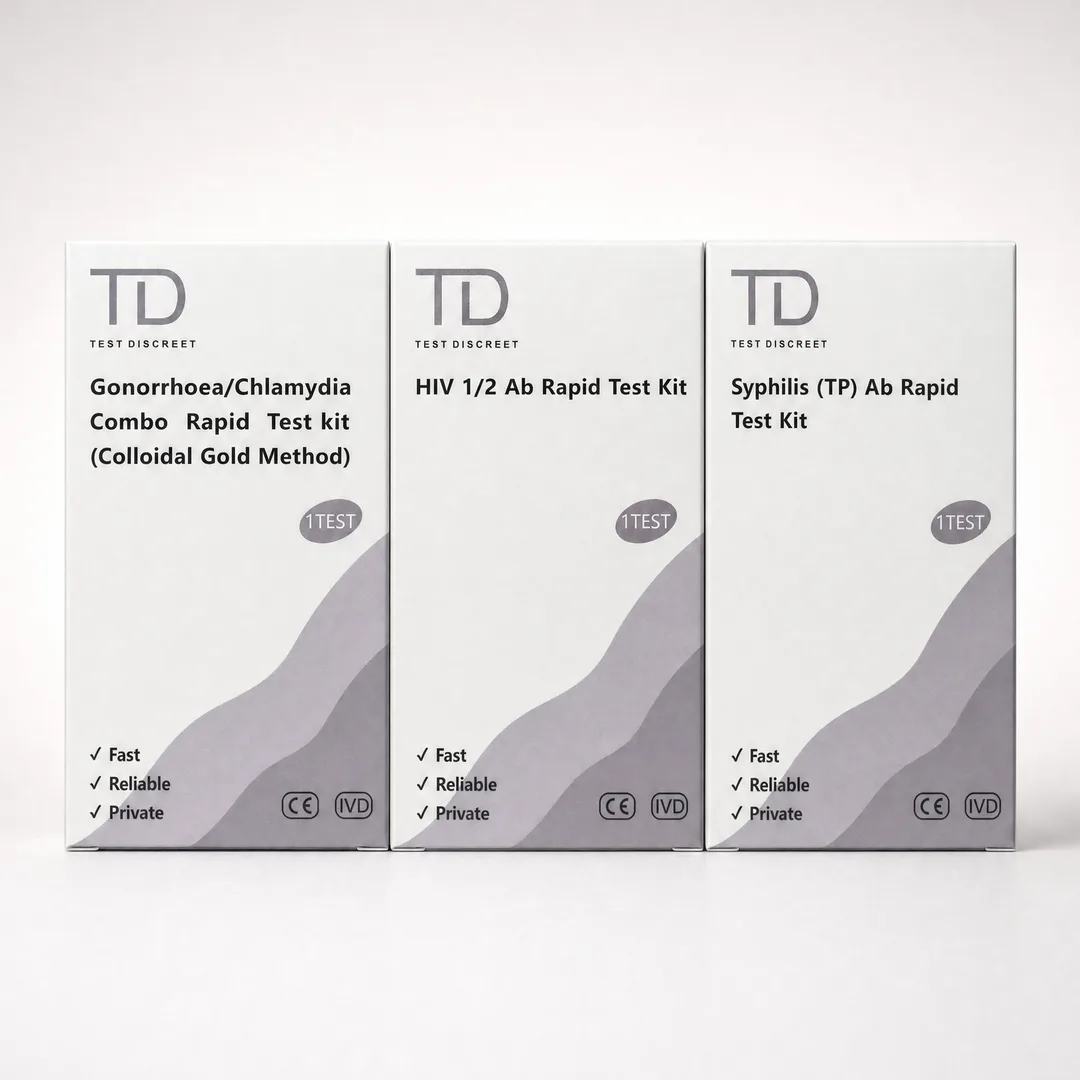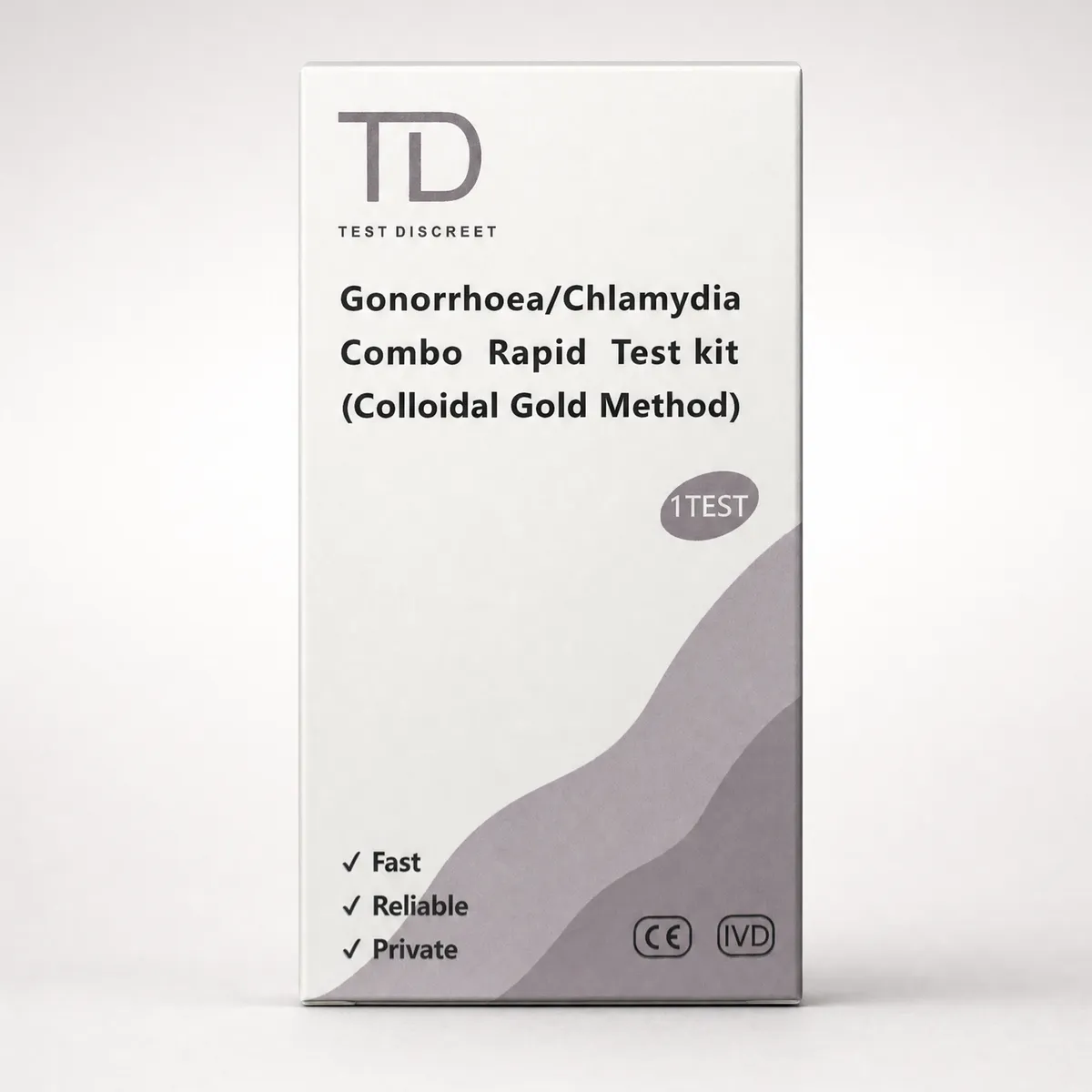
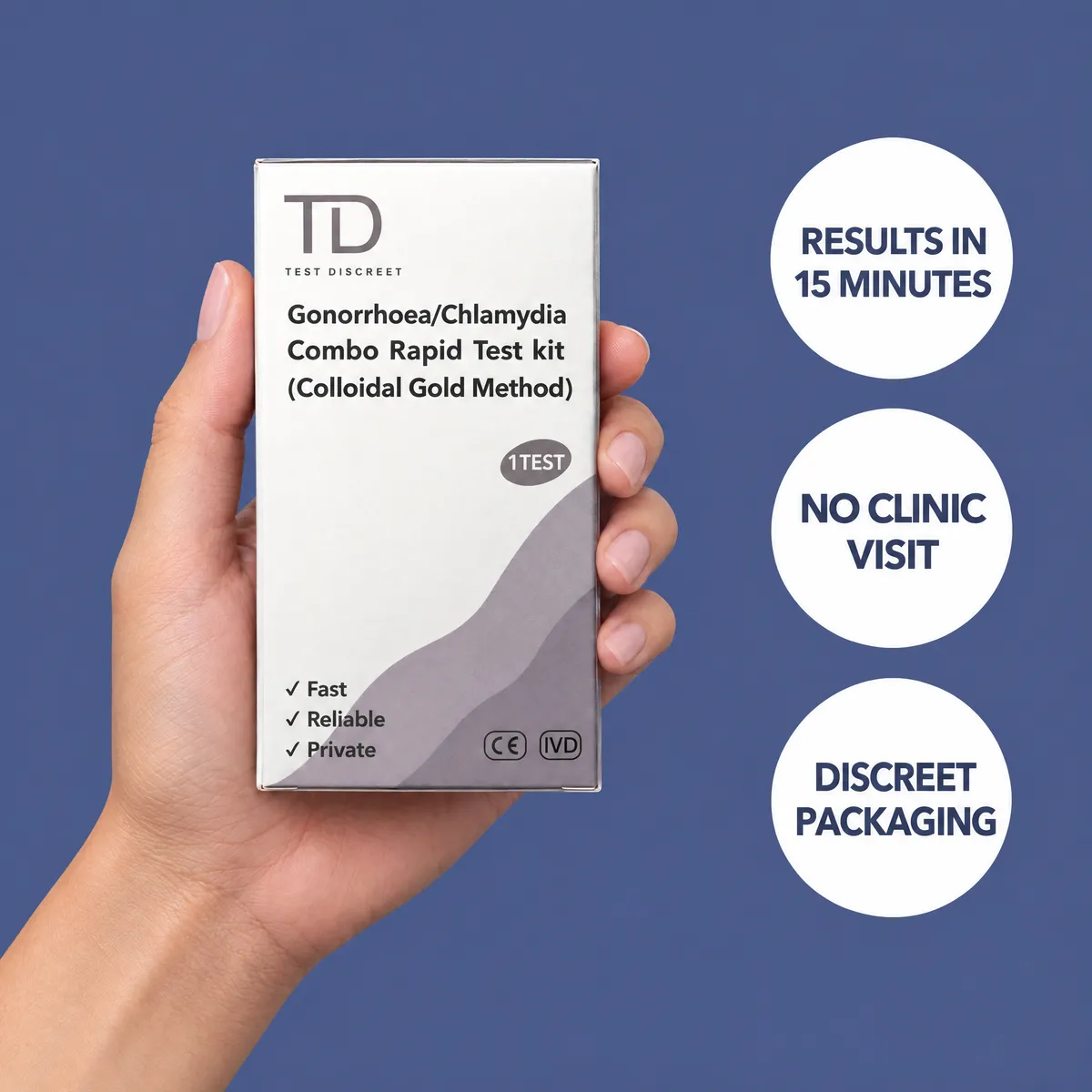
Chlamydia & Gonorrhoea Home Test Kit – Rapid Results in 15 Minutes
Test for chlamydia and gonorrhoea privately at home with one simple swab. This rapid 2-in-1 self-test checks for both infections and shows each result separately in around 15 minutes. No clinic visit, no sample to post, and discreet delivery across the UK.
- Results in 15 minutes
- Simple swab test
- Discreet packaging
- No clinic visit
- Detects
- Chlamydia and gonorrhoea, with a separate result for each
- Sample
- Vaginal or urethral swab you take yourself
- Results
- In around 15 minutes
- Suitable for
- Men and women
- Delivery
- Dispatched within 1 working day
Secure checkout · Discreet UK delivery · Ships within 1 working day
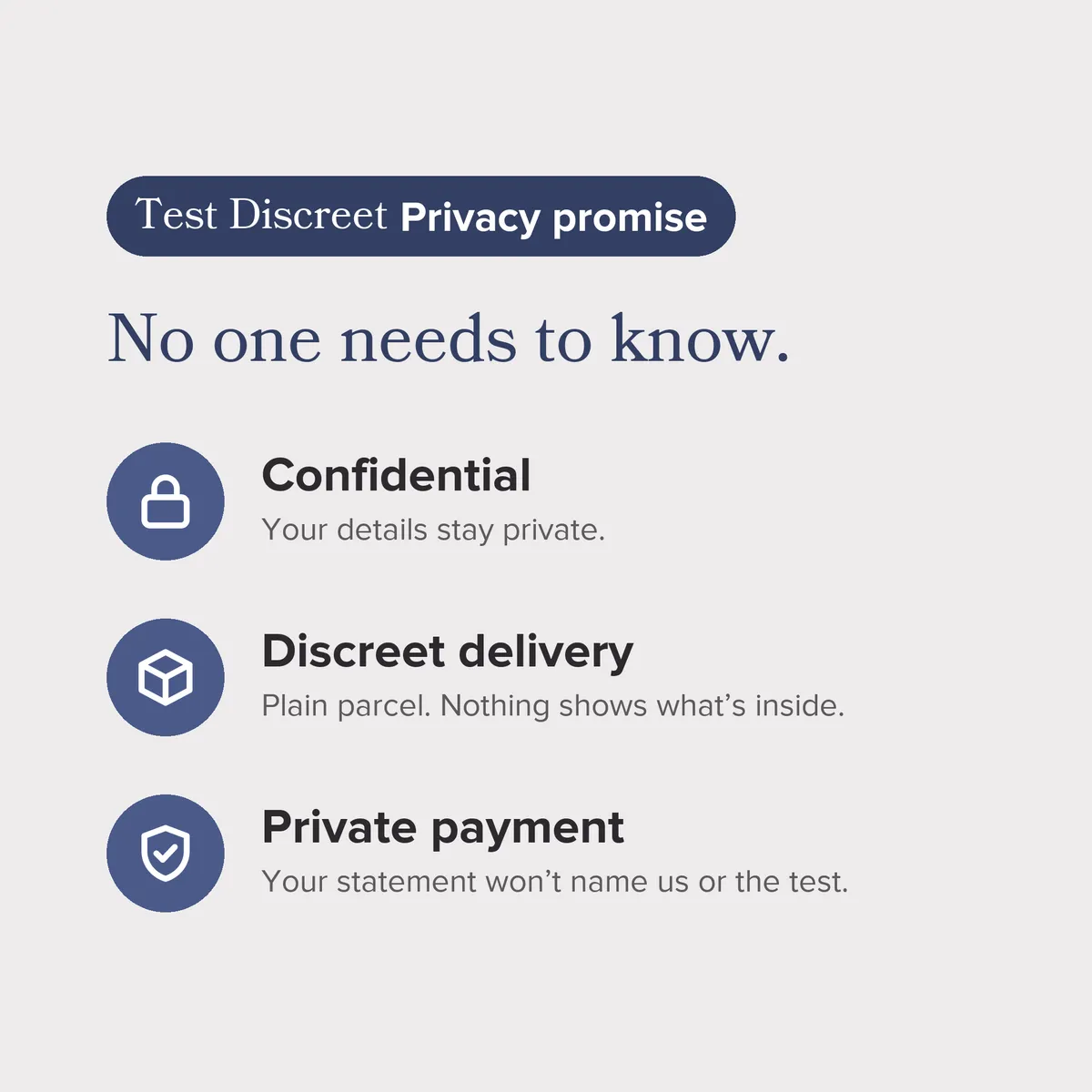
Discreet deliveryPlain packaging with nothing on the outside to reveal what’s inside.
About chlamydia, gonorrhoea and testing
Chlamydia and gonorrhoea are two of the most common bacterial sexually transmitted infections (STIs) in the UK. Chlamydia is caused by Chlamydia trachomatis and gonorrhoea by Neisseria gonorrhoeae. In 2025 there were 151,163 chlamydia and 63,943 gonorrhoea diagnoses in England.
They’re different infections, but they’re often tested for together because their symptoms overlap and you can have both at once. A chlamydia and gonorrhoea home test kit checks for both in one go, with a result in around 15 minutes.
Both infections affect parts of the body that come into contact with semen or vaginal fluid. They’re passed on through vaginal, anal or oral sex without a condom. They can infect the genitals, the rectum (bottom), the throat and the eyes.
Yes. Most people with chlamydia have no symptoms, and many women with gonorrhoea don’t notice any signs either. You can still pass the infection on, which is why testing matters even if you feel well.
When symptoms do appear, they can look very similar. Discharge colour is not a reliable way to tell them apart.
| Chlamydia | Gonorrhoea | |
|---|---|---|
| Women | Unusual vaginal discharge, bleeding between periods or after sex, pain when peeing, lower tummy pain | Yellow or green vaginal discharge, pain when peeing, lower tummy pain, bleeding between periods (less common) |
| Men | Cloudy, watery or white discharge from the penis, burning or itching, pain when peeing, swollen or sore testicles | White, yellow or green discharge from the penis, pain when peeing, sore testicles |
| When symptoms start | 1 week to several months after infection | Around 2 weeks, sometimes months later |
Read more about chlamydia symptoms in women, chlamydia symptoms in men, gonorrhoea symptoms in women and gonorrhoea symptoms in men.
Both infections can also affect the bottom, throat and eyes. Throat infections usually cause no symptoms.
Yes. Both are treated with antibiotics, and treatment is free at NHS sexual health clinics. The earlier they’re treated, the lower the risk of problems. If left untreated, they can cause serious complications, such as pelvic inflammatory disease (PID) and fertility problems in women, and painful testicle infections in men.
You don’t need symptoms to test. It may be worth testing if:
- You’ve had sex without a condom, including oral or anal sex
- You have a new sexual partner, or more than one partner
- A sexual partner has told you they have chlamydia, gonorrhoea or another STI
- You have possible symptoms, such as unusual discharge or pain when peeing
- You’d prefer to test privately
Have symptoms, or a partner has tested positive? Contact a sexual health clinic now. If you have a high temperature, joint pain or a rash, call 111.
How does the chlamydia and gonorrhoea home test work?
The test uses a swab you take yourself: a vaginal swab, or a swab from just inside the urethra (the tube you pee from). It checks the sample for chlamydia and gonorrhoea, and shows a separate result for each in around 15 minutes, with no sample to send to a lab.
This kit tests genital samples only. It doesn’t test the throat or bottom. If you’ve had oral or anal sex, ask a sexual health clinic about testing those areas.
Before you start: For a urethral swab, don’t pee for at least 2 hours beforehand.
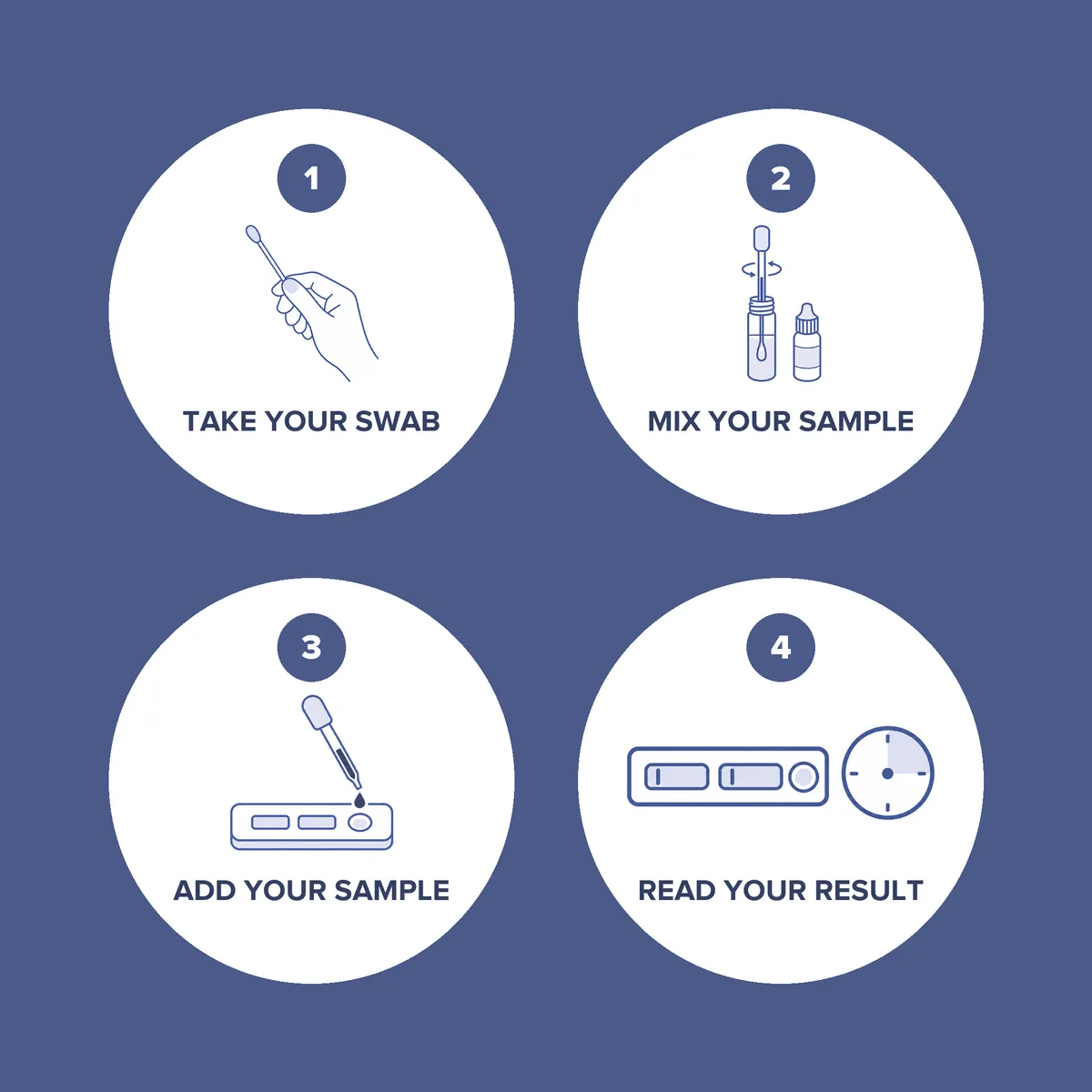
How to use the chlamydia and gonorrhoea test kit in 4 steps
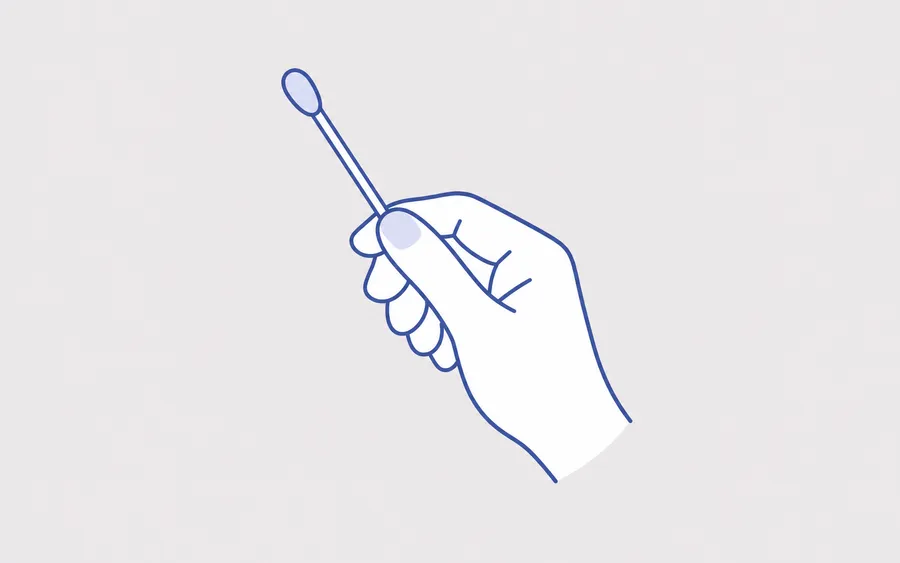
Take your swab
Wash your hands and open the swab without touching the soft tip. For a vaginal sample, swab inside the vagina. For a urethral sample, swab just inside the opening of the urethra.
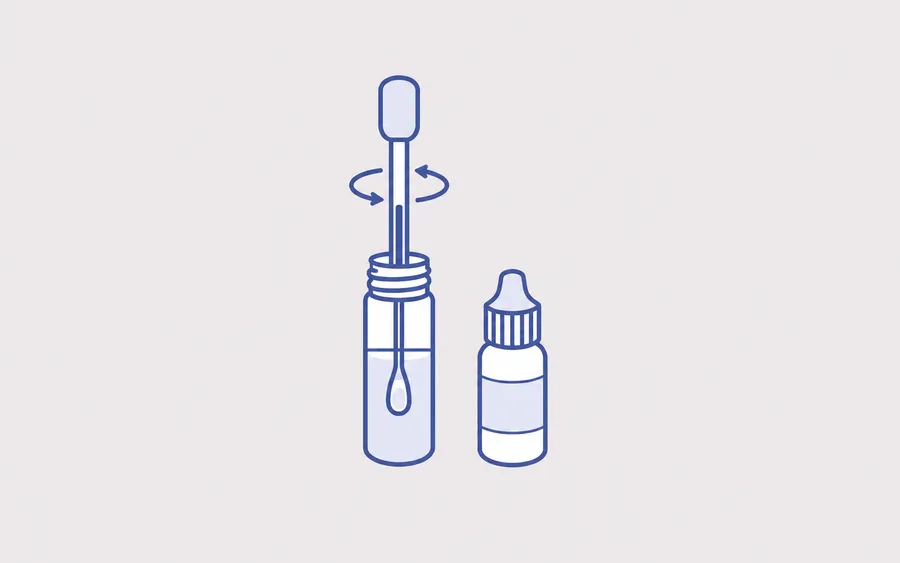
Mix the sample
Add 10 drops of liquid A to the tube, put the swab in, turn it 15 times and wait 2 minutes. Add 10 drops of liquid B, turn it 15 times and wait 1 minute. Squeeze the tube as you take the swab out, then fit the dropper lid.
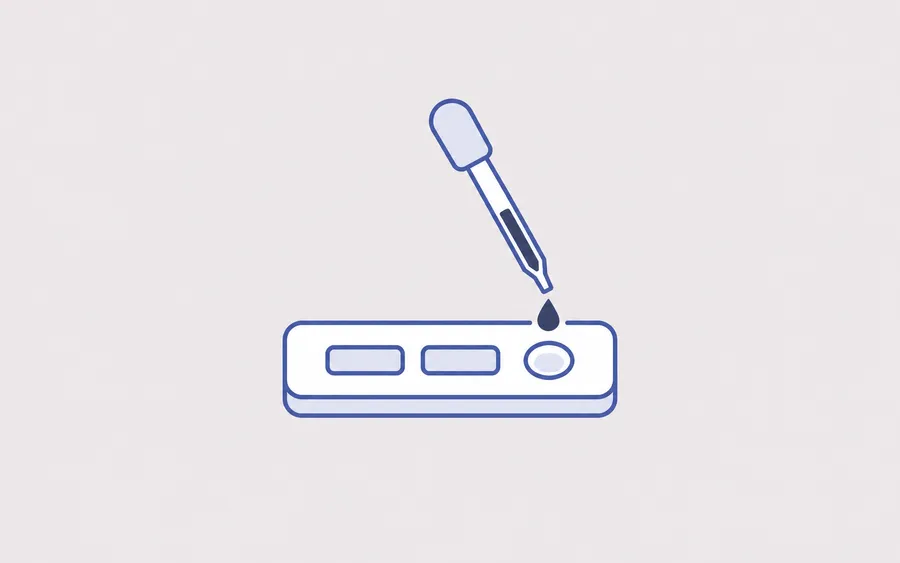
Add the sample
Put 3 drops in the well marked Ng (gonorrhoea) and 3 drops in the well marked Ct (chlamydia).
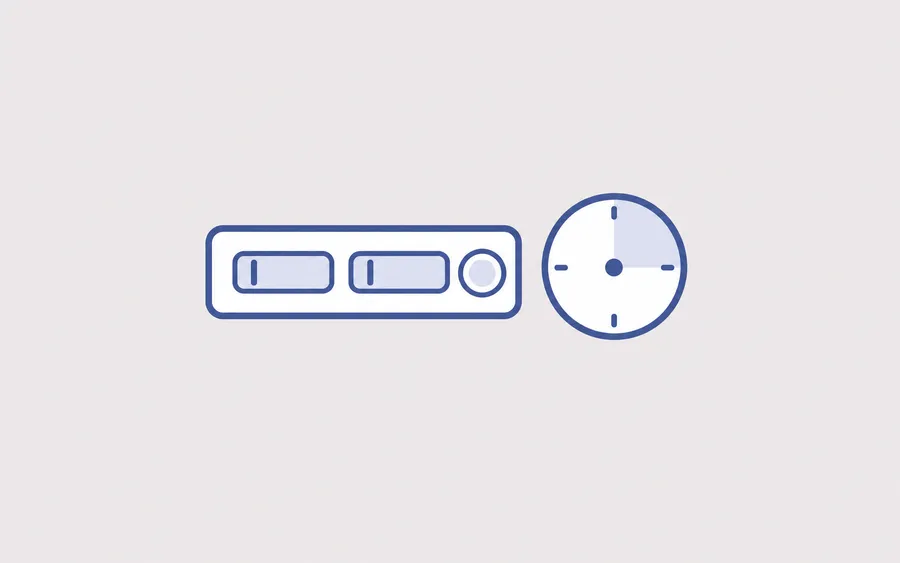
Read your result
Read both windows between 15 and 20 minutes. Don’t interpret the results after 25 minutes as it may be invalid.
When should I take a chlamydia and gonorrhoea test?
If you have symptoms or a partner has tested positive, contact a sexual health clinic now. Don’t wait for a test result.
This checker runs on your device. The date never leaves it: we don’t see it, store it or send it anywhere.
How to read your chlamydia and gonorrhoea test result
Read both windows between 15 and 20 minutes. Don’t interpret results after 25 minutes.
The Ct window shows chlamydia and the Ng window shows gonorrhoea. In each window, C is the control line and T is the test line.
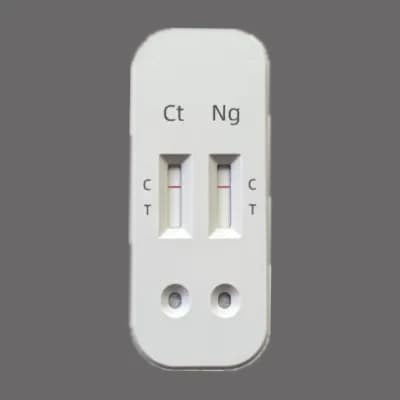
Negative
C line only, in both windows. Chlamydia and gonorrhoea were not detected.
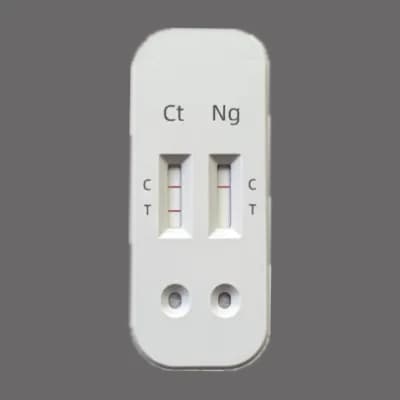
Chlamydia positive
C and T lines in the Ct window, even if the T line is faint.
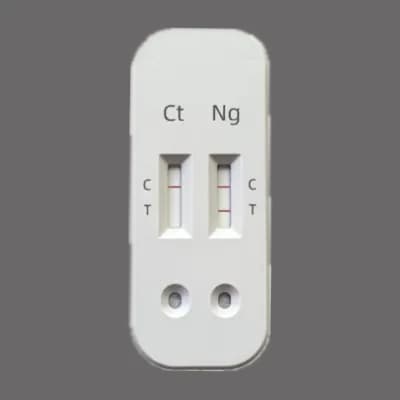
Gonorrhoea positive
C and T lines in the Ng window, even if the T line is faint.
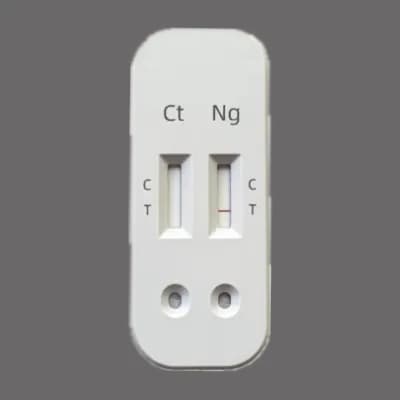
Invalid
No C line in one or both windows, even if a T line shows. The test has not worked. Contact us and we’ll help.
Both positive
C and T lines in both windows.
Good to know
This screening test checks for genital chlamydia and gonorrhoea only. It doesn’t check for infections in the throat or bottom or replace advice from a healthcare professional.
Chlamydia and gonorrhoea home test FAQs
Got a question? Ask now
About the test
You can test at any time, but testing too early can miss an infection. If your result is negative and the sex was less than 2 weeks ago, test again 2 weeks after your last possible exposure. If you have symptoms or a partner has tested positive, contact a sexual health clinic now.
When used correctly, this is a reliable screening test. Testing too early or not collecting enough sample on the swab can affect your result. Follow up a positive result with a sexual health clinic.
Don’t pee for 2 hours before you start. Take a vaginal or urethral swab, mix it in the tube with liquids A and B, then add 3 drops to each of the two wells (Ng and Ct). Read both windows between 15 and 20 minutes. Everything you need is in the box.
A negative result means chlamydia and gonorrhoea were not detected. If the sex was less than 2 weeks ago, you may have tested too early, so test again at 2 weeks. If you still have symptoms or are worried, speak to a sexual health clinic.
Contact a sexual health clinic as soon as possible for further testing and treatment. Both infections are treated with antibiotics, and NHS sexual health services are free and confidential. Avoid vaginal, anal and oral sex until your treatment is finished and the clinic says it’s safe. Your recent partners may need testing too. You may be asked to retest after treatment to check it has cleared.
Yes. The test has two windows: Ct for chlamydia and Ng for gonorrhoea. Each one gives its own result, so you’ll know if you have chlamydia, gonorrhoea or both.
You may be able to, but timing matters. Testing too soon after treatment can sometimes still show positive results. Follow the advice of the clinic that treated you about when to retest.
About chlamydia and gonorrhoea
Most people with chlamydia have no signs at all. When symptoms do appear, the first signs are often pain when peeing and unusual discharge from the vagina or penis. Women may notice bleeding between periods or after sex, and men may have sore testicles.
The first signs of gonorrhoea are often a discharge that may be yellow or green, and pain when peeing. They usually appear around 2 weeks after infection. Many women have no symptoms.
Chlamydia symptoms can appear from 1 week to several months after infection. Gonorrhoea symptoms usually appear around 2 weeks after infection, but can take months. Testing is more reliable than waiting for symptoms.
They’re caused by different bacteria, but their symptoms overlap so much that you can’t tell them apart by symptoms alone. You can also have both at the same time. That’s why this kit tests for both together.
Yes. You can have chlamydia, gonorrhoea or both at once. Testing is the only way to know which.
Don’t rely on either infection clearing on its own. Symptoms can settle while an infection remains, and delaying treatment can cause complications and you can still pass it on to others. Both infections can be treated with antibiotics.
Yes. Both can infect the throat through oral sex. Throat infections usually cause no symptoms, though some people get a sore throat. They can also affect the bottom and eyes. This home kit tests genital swabs only, so if you’ve had oral or anal sex, ask a sexual health clinic about throat or rectal testing.
In women, both can cause pelvic inflammatory disease (PID), which can lead to fertility problems, long-term pelvic pain and ectopic pregnancy. In men, chlamydia can cause a painful testicle infection, and gonorrhoea can affect the prostate. Early treatment prevents these problems.
Yes, if it’s left untreated. Chlamydia and gonorrhoea can both cause pelvic inflammatory disease (PID) in women, which can affect fertility. Testing and treating early lowers this risk.
Yes. If you test positive, your recent sexual partners should be tested too, even if they feel well. A sexual health clinic can contact partners for you confidentially.
Very common. In 2025, there were 151,163 chlamydia diagnoses and 63,943 gonorrhoea diagnoses in England.
This test is not recommended if you are pregnant. If you’re pregnant and worried about chlamydia or gonorrhoea, speak to your midwife, GP or a sexual health clinic before doing a test yourself. Chlamydia can pass to your baby during birth, and gonorrhoea raises the risk of premature birth, so it’s important to get tested and treated.
Ordering and other tests
No. Your order arrives in plain, discreet packaging with nothing on the outside to reveal what’s inside. Your bank statement won’t show “Test Discreet” or the name of the test. We ship within 1 working day.
Yes. Chlamydia and gonorrhoea tests are free and confidential at NHS sexual health clinics, and some areas offer free postal kits. Many people choose a rapid home test for a result in 15 minutes, with no appointment and no sample to post.
No, this kit only tests for chlamydia and gonorrhoea. If you may have been exposed to one STI, you may have been exposed to others too, such as HIV or syphilis. Many STIs have no symptoms, so it helps to know how STI testing works. Our Core 4 bundle and 7-in-1 STI test bundle check for several in one order.
References
- GOV.UK / UK Health Security Agency. “Sexually Transmitted Infections and Screening for Chlamydia in England: 2025 Report.” GOV.UK, 2 Jun. 2026, gov.uk.
- NHS. “Chlamydia.” NHS.uk, 24 Oct. 2024, nhs.uk/conditions/chlamydia.
- NHS. “Gonorrhoea.” NHS.uk, 16 Dec. 2024, nhs.uk/conditions/gonorrhoea.
- NHS. “Symptoms – Gonorrhoea.” NHS.uk, accessed 13 Sep. 2026, nhs.uk/conditions/gonorrhoea/symptoms.
- World Health Organization. “Chlamydia.” WHO, 21 Nov. 2025, who.int.
- World Health Organization. “Gonorrhoea (Neisseria gonorrhoeae Infection).” WHO, 22 Oct. 2025, who.int.
Other home STI test kits and bundles
All results in around 15 minutes.
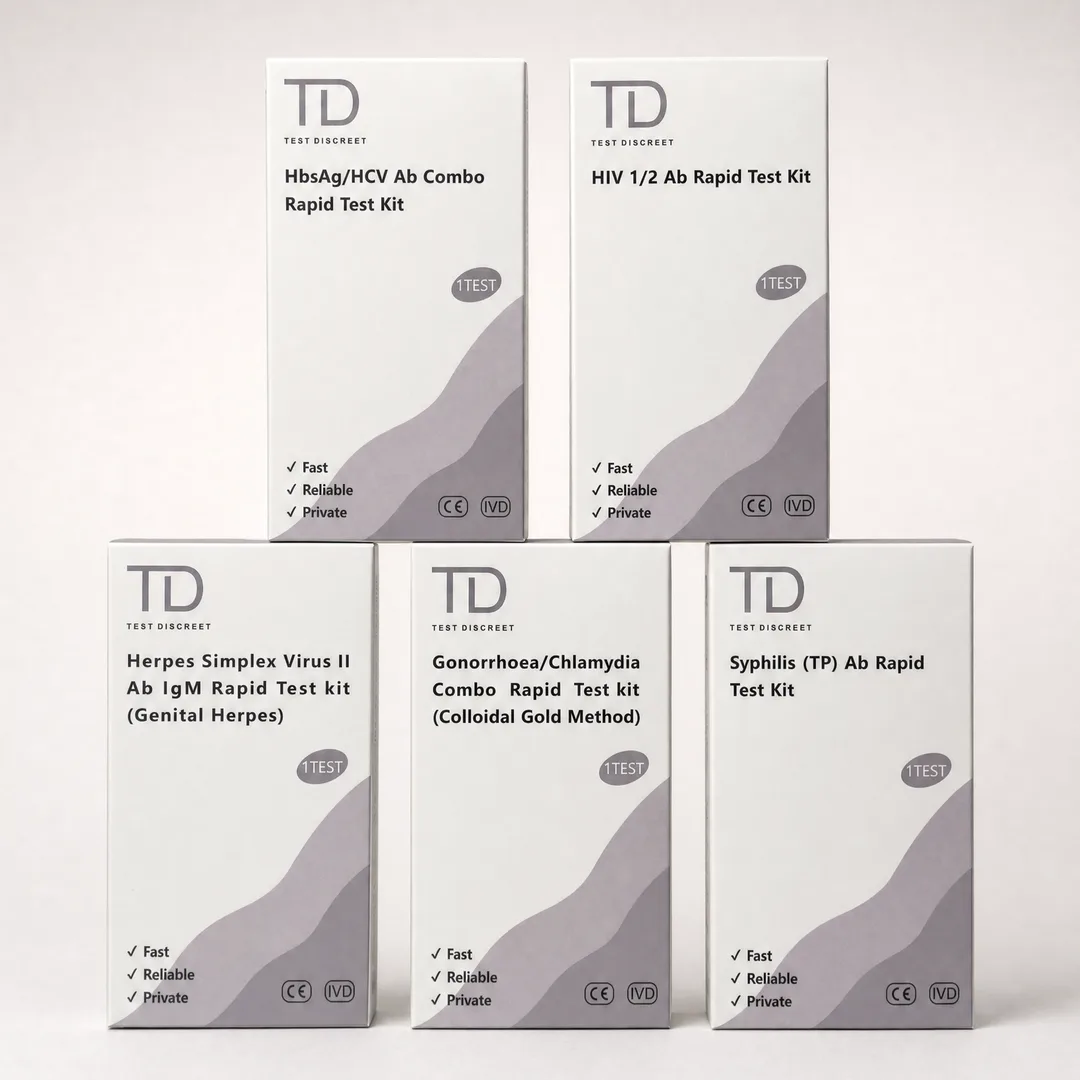 Best value
7-in-1 STI Test Bundle
- Chlamydia
- Gonorrhoea
- Syphilis
- HIV 1/2
- Genital herpes (HSV-2)
- Hepatitis B
- Hepatitis C
Blood + swab
£64.95
£98.75Save £33.80